LIHEAP Energy Assistance: Eligibility and Application Process Guide
If you’re struggling to keep up with rising utility bills, LIHEAP Energy Assistance may be able to help. The Low Income Home Energy Assistance Program is a federal program designed to support eligible households with heating and cooling costs, energy-related emergencies, and in some cases weatherization-related improvements. For many families, it can make the difference between staying current on bills and facing disconnection or unsafe indoor temperatures.
Understanding how LIHEAP Energy Assistance works, who qualifies, and how to apply can save you time and reduce stress. Since the program is administered by states, tribes, and territories, the exact rules vary—but the core process is similar everywhere. In this guide, you’ll learn how eligibility is usually determined, what documents you may need, and how to submit a strong application.
What Is LIHEAP Energy Assistance?
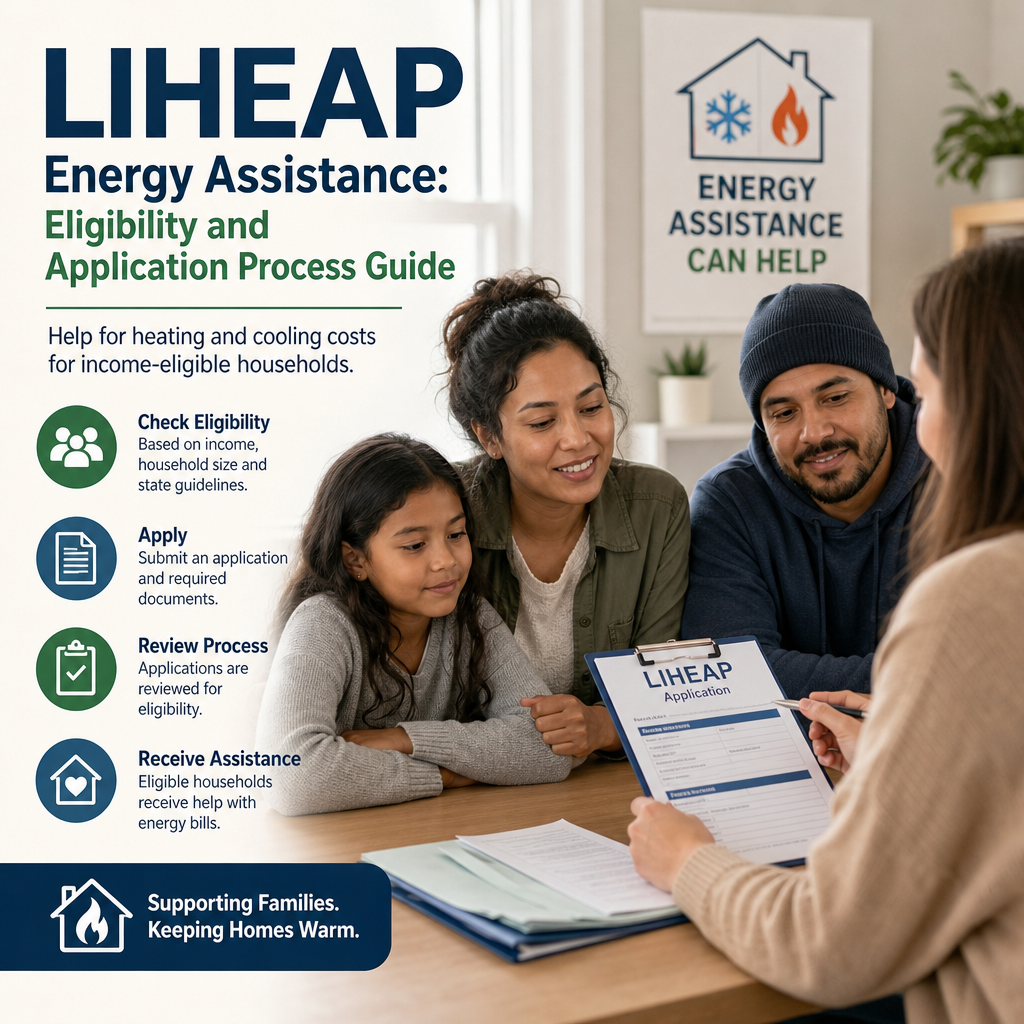
LIHEAP stands for the Low Income Home Energy Assistance Program. It is a federally funded program that helps households with energy-related needs. While LIHEAP is not a monthly utility subsidy for everyone, it can provide meaningful support during periods of high energy demand or financial hardship.
Depending on where you live, LIHEAP Energy Assistance may help with:
- Heating bills in the winter
- Cooling costs in the summer
- Energy crisis situations, such as a shutoff notice or low fuel supply
- Repairing or replacing certain heating or cooling equipment
- Limited weatherization services in some cases
Because states and local agencies manage the program, benefits and application windows differ by location. That means your eligibility depends not only on your income, but also on where you live and how your local office structures the program.
How LIHEAP Energy Assistance Works
LIHEAP Energy Assistance is meant to help households maintain safe and stable home temperatures. Instead of sending checks directly to participants in every case, agencies often pay utility vendors or fuel suppliers on behalf of approved households.
Common types of LIHEAP help
Here are the most common forms of assistance you may encounter:
- Regular energy assistance
Helps cover seasonal heating or cooling costs. - Energy crisis assistance
Helps households facing immediate danger, such as utility shutoff, lack of fuel, or broken equipment. - Weatherization support
In some areas, LIHEAP may include minor home energy efficiency improvements or referrals to weatherization programs. - Equipment repair or replacement
Some programs help repair or replace faulty furnaces, air conditioners, or related systems when that issue affects home safety.
Not every state offers every type of support, so it’s important to check your local program details.
LIHEAP Energy Assistance Eligibility
Eligibility for LIHEAP Energy Assistance is mainly based on household income, household size, and state-specific rules. In many places, priority goes to households with the greatest need, including older adults, people with disabilities, families with young children, and households facing a utility crisis.
Income guidelines
Most LIHEAP programs use income limits tied to a percentage of the federal poverty level or state median income. These limits vary by location and may change each program year.
In general, agencies look at:
- Gross household income
- Number of people in the household
- Income earned by all members living in the home
- Benefit sources such as wages, unemployment, Social Security, or disability payments
Some states may also use categorical eligibility for households that already receive certain public benefits. For example, participating in another means-tested program may simplify the LIHEAP application process.
Residency requirements
You usually must live in the state or service area where you apply. Some programs also require proof that the home is your primary residence.
Energy burden or crisis factors
Even if your income qualifies, you may need to show a specific energy-related need, such as:
- A past-due utility bill
- A disconnection notice
- A shortage of heating fuel
- Inability to cool the home during extreme heat
- A broken furnace or heating system
Who may be prioritized
Because funding is limited, many agencies prioritize households that include:
- Adults age 60 or older
- Individuals with disabilities
- Infants or young children
- Households with very low income
- Families facing shutoff or extreme weather emergencies
This prioritization helps direct aid to households most at risk.
Documents Needed to Apply
The LIHEAP Energy Assistance application process is easier when you gather your documents first. While requirements differ, most local offices ask for similar information.
Common documents include
- Photo ID for the applicant
- Proof of address, such as a lease or utility bill
- Proof of income for all household members
- Social Security numbers or documentation if required by the state
- Recent utility bills
- Shutoff notice or fuel delivery notice, if applying for crisis assistance
- Proof of household members, such as birth certificates or school records
- Documentation of disability or age, if used for priority status
Helpful tips for document prep
- Make copies before submitting originals
- Keep your utility account number handy
- Organize income documents by month or pay period
- If you receive benefits like SNAP or SSI, bring those award letters if requested
A complete application is often processed faster than one that needs follow-up documentation.
How to Apply for LIHEAP Energy Assistance
The application process usually follows a few basic steps, though the exact method depends on your state or local agency.
1. Find your local LIHEAP office
LIHEAP is administered locally, so the first step is locating the correct agency for your area. This may be a county office, community action agency, state human services department, or tribal administrator.
2. Check the application period
Many states only accept applications during certain times of the year, especially for regular heating or cooling assistance. Crisis assistance may be available year-round or during specific emergency windows.
3. Complete the application
Applications may be available:
- Online
- By mail
- In person
- Through a community assistance center
Fill out every section carefully. Missing information can delay processing.
4. Submit required documents
Attach or upload proof of income, residency, utility bills, and any crisis notices. If applying online, make sure all scans or photos are clear and readable.
5. Wait for review
The agency will review your application, verify eligibility, and determine whether you qualify for a payment or emergency support. Some offices may contact you for additional information.
6. Receive your benefit
If approved, the assistance may be sent directly to your utility company, fuel vendor, or, in some cases, to you depending on the program’s rules.
Tips to Improve Your Application
A careful application can reduce delays and increase your chances of getting help quickly.
Be accurate and complete
Double-check:
- Household size
- Income amounts
- Utility account numbers
- Current mailing address
- Contact information
Even small errors can slow down processing.
Apply early
If your state has a limited application period, don’t wait until your bill becomes overdue. Applying early can be especially important before winter or during peak summer heat.
Respond quickly to requests
If the agency asks for more documents, send them as soon as possible. Many applications are delayed because applicants miss follow-up deadlines.
Keep records
Save copies of:
- Your completed application
- Submitted documents
- Confirmation emails or receipt numbers
- Notes from phone calls with the office
This makes it easier to track your case if needed.
What to Expect After You Apply
After you submit your LIHEAP Energy Assistance application, the agency typically reviews:
- Household income
- Eligibility documents
- Energy account details
- Crisis status, if applicable
Processing times vary widely. Some crisis cases are handled more quickly because they involve immediate risk of shutoff or unsafe living conditions. Regular applications may take longer, especially during busy season.
If approved, your benefit may not cover your full bill. LIHEAP is designed as a support program, not necessarily a full payment solution. You may still need to make partial payments or work out a plan with your utility provider.
If denied, ask for the reason in writing if available. Common reasons include missing documents, income above the limit, or applying outside the open period. In some cases, you may be able to appeal or reapply later.
LIHEAP and Other Energy Help Programs
LIHEAP Energy Assistance is only one part of the broader energy support system. If you need additional help, consider looking into other options.
Other possible resources
- Utility company payment plans
- State emergency assistance funds
- Weatherization Assistance Program
- Local community action agencies
- Faith-based or nonprofit emergency bill help
- Senior assistance programs
- Housing assistance programs
Combining resources can make a big difference, especially if your energy costs are high or your household income is unstable.
When to consider weatherization
If your home loses heat quickly in winter or becomes too hot in summer, weatherization services may lower your long-term energy use. Simple improvements like sealing leaks, insulation upgrades, or furnace tune-ups can improve comfort and reduce future bills.
LIHEAP Energy Assistance for Renters and Homeowners
Both renters and homeowners may qualify for LIHEAP Energy Assistance, as long as they meet the program’s requirements.
For renters
You may still qualify even if utilities are included in rent, especially if you are responsible for heating or cooling costs separately. Be sure to provide your lease and any utility statements that show your responsibility.
For homeowners
Homeowners may qualify if they pay utility bills directly or buy heating fuel. If your heating system needs repair, ask whether your local LIHEAP office offers equipment-related crisis assistance or referrals.
Common Mistakes to Avoid
A few simple errors can cause delays or denials.
Avoid these issues:
- Submitting incomplete applications
- Forgetting to include all household income
- Using outdated utility bills
- Missing deadlines
- Ignoring requests for more information
- Applying to the wrong local office
Careful preparation can help you move through the process more smoothly.
Frequently Asked Questions
What does LIHEAP Energy Assistance cover?
LIHEAP Energy Assistance may cover heating bills, cooling costs, emergency utility needs, fuel delivery, and in some areas minor equipment repair or weatherization-related help. The exact benefits depend on your state or local agency.
How do I know if I qualify for LIHEAP?
Eligibility usually depends on household income, household size, residency, and energy needs. Some programs also prioritize households with older adults, disabilities, young children, or crisis situations. Check your local LIHEAP guidelines for the exact income limits.
Can I apply for LIHEAP if I rent my home?
Yes. Renters may qualify if they are responsible for their own heating or cooling costs, or if utilities are billed separately. Even if you rent, you may still be eligible if you meet the income and residency requirements.
How long does LIHEAP approval take?
Processing time varies by state, season, and whether you are applying for regular or crisis assistance. Crisis applications may be handled faster, while standard applications can take longer during peak demand periods.
What should I do if my LIHEAP application is denied?
If your application is denied, review the reason carefully. You may be able to correct missing documents, appeal the decision, or reapply later if your circumstances change. You can also look into other utility assistance programs while you wait.
Official Resources
- U.S. Department of Health & Human Services LIHEAP Program
- Benefits.gov: Low Income Home Energy Assistance Program
- U.S. Department of Energy Weatherization Assistance Program
- National Energy Assistance Directors’ Association
- USA.gov Utility Assistance
Conclusion
LIHEAP Energy Assistance can provide critical relief when utility bills threaten your household budget or your home’s safety. Whether you need help with heating, cooling, an urgent shutoff notice, or a broken system, the program is designed to support families that are most vulnerable to energy hardship. The key is understanding your local rules, gathering the right documents, and applying as early as possible.
Because LIHEAP is administered at the state and local level, the exact eligibility standards and application steps will vary. Still, the process is manageable when you know what to expect. Start by checking your income eligibility, identifying your local office, and preparing proof of residency, income, and utility costs. If you qualify, this assistance can ease immediate pressure and help you maintain a safer, more stable home environment.
If you need help, don’t wait until your situation becomes a crisis. Learning the LIHEAP Energy Assistance process now can put you in a better position to receive support when it matters most.