WIC Benefits: Eligibility, Covered Foods, and How to Apply
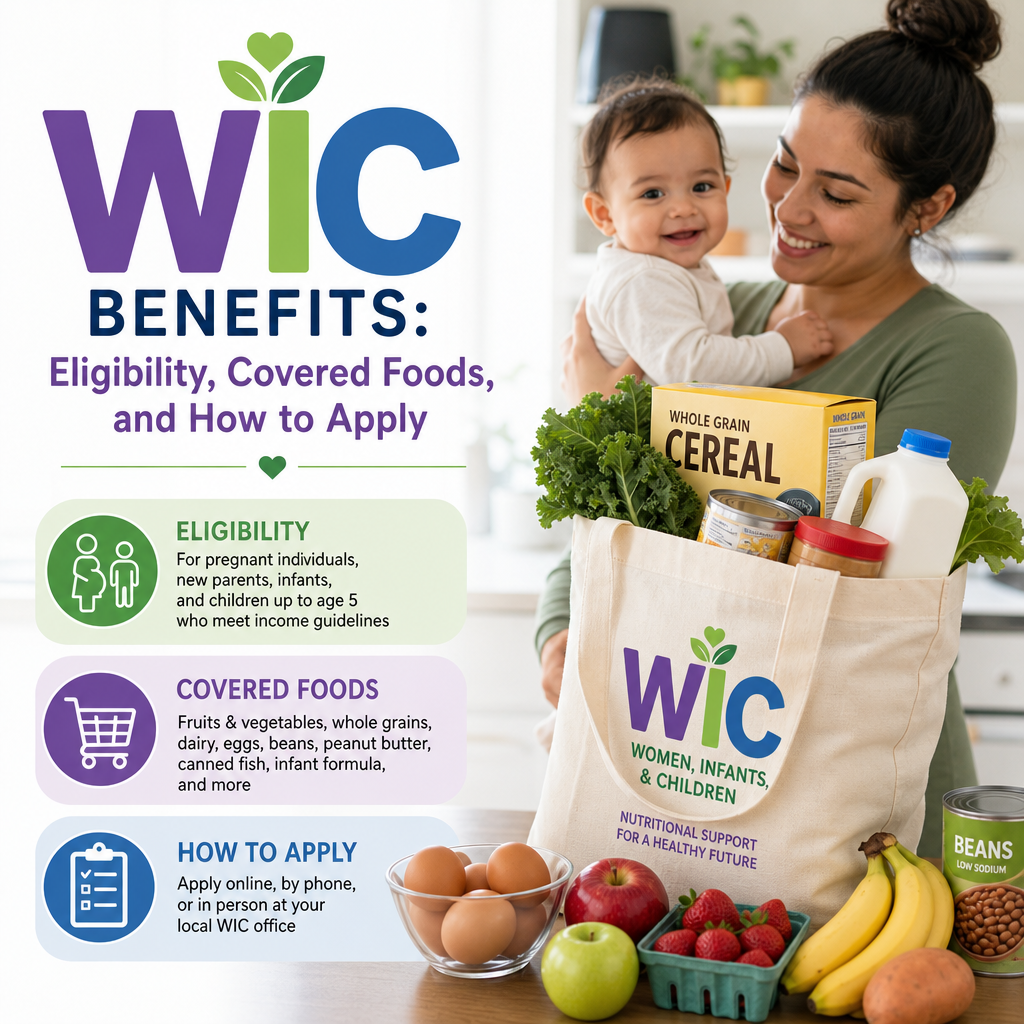
WIC benefits can help eligible families save on groceries while supporting healthy pregnancies, babies, and young children. In this guide, you’ll learn who qualifies, which foods are covered, and how to apply with confidence.
By: Emilly on July 23, 2026
Última atualização em: agosto 3, 2026
If you’ve been looking for a practical way to stretch your grocery budget while supporting healthy nutrition during pregnancy, infancy, or early childhood, WIC benefits can make a real difference. The Special Supplemental Nutrition Program for Women, Infants, and Children—better known as WIC—helps eligible families access nutritious foods, breastfeeding support, nutrition education, and referrals to health services.
Unlike many assistance programs, WIC is designed around the specific nutritional needs of pregnant people, new parents, babies, and young children. That means the support is targeted, useful, and often easier to understand once you know how it works. In this guide, you’ll learn what WIC benefits include, who qualifies, which foods are covered, and how to apply without unnecessary confusion.
What Are WIC Benefits?
WIC benefits are a set of nutrition-focused supports for families with young children and for pregnant, postpartum, and breastfeeding individuals. The program is administered at the state level, but it follows federal guidelines.
WIC is not a cash benefit program. Instead, participants receive a combination of:
Food benefits for approved items
Nutrition counseling and education
Breastfeeding support
Referrals to health and social services
The goal is simple: help families get healthy foods and guidance during critical stages of growth and development.
Why WIC Matters
Pregnancy, infancy, and early childhood are times when nutrition can have a lasting impact. WIC helps families access foods rich in nutrients like iron, calcium, protein, and vitamin C. It also supports caregivers who may be navigating feeding challenges, returning to work, or learning how to introduce solid foods.
WIC Benefits Eligibility: Who Can Apply?
Eligibility for WIC benefits depends on three main factors:
Categorical eligibility
Income eligibility
Nutritional risk
Each state may have slightly different procedures, but the core rules are the same nationwide.
1. Categorical Eligibility
To qualify, you must belong to one of these groups:
Pregnant individuals
Breastfeeding individuals up to one year after delivery
Postpartum individuals up to six months after delivery
Infants
Children up to age 5
A family with more than one eligible person can often receive benefits for each qualifying household member.
2. Income Eligibility
WIC is intended for families with limited income. In many cases, you may qualify if your household income is at or below 185% of the federal poverty level. Some families automatically meet the income requirement if they receive other assistance programs such as:
SNAP
Medicaid
TANF
That said, you still need to complete the WIC application process because income rules are only one part of eligibility.
3. Nutritional Risk
WIC is a nutrition program, so applicants must also be found at nutritional risk by a health professional. This does not necessarily mean you are severely undernourished or have a major medical problem. Common examples include:
Low iron levels
Poor diet quality
Inadequate weight gain during pregnancy
Growth concerns in infants or children
History of pregnancy complications related to nutrition
The health screening usually happens during your WIC appointment.
Documents You May Need
When applying for WIC, it helps to bring:
Proof of identity
Proof of residence
Proof of income
Proof of pregnancy, infant age, or child age
Immunization or health records, if available
Because requirements can vary by state, check your local WIC agency before your appointment.
Covered Foods: What WIC Benefits Include
One of the biggest reasons families look into WIC is the food package. The covered foods are carefully chosen to support nutrition needs at different stages of development.
Common WIC Food Categories
Depending on your eligibility category, WIC may provide benefits for items such as:
Milk
Cheese
Yogurt
Eggs
Whole grains
Cereal
Peanut butter
Beans and peas
Canned fish
Fruits and vegetables
Infant formula
Infant cereal and baby foods
Tofu
Soy beverages
100% fruit juice
Not every participant receives every item. Your food package depends on your category, age, and nutritional needs.
Foods for Pregnant and Breastfeeding Participants
Pregnant and breastfeeding people often receive foods that support extra nutrient needs, including:
Iron-fortified cereal
Whole grains
Milk or soy alternatives
Eggs
Beans and peanut butter
Fruits and vegetables
Juice in some cases
Breastfeeding participants may receive additional foods and breastfeeding support, depending on their situation.
Foods for Infants
WIC benefits for infants often include:
Iron-fortified infant formula, if needed
Iron-fortified infant cereal
Single-ingredient baby foods
Age-appropriate fruits and vegetables
Breastfeeding support and supplies in certain cases
If a parent is exclusively breastfeeding, the food package may be different than if formula is used.
Foods for Children Ages 1 to 5
For children, WIC usually focuses on building healthy eating habits with foods such as:
Milk
Cheese
Yogurt
Eggs
Whole grains
Fruits and vegetables
Beans and peanut butter
Cereal
These foods help support growth, brain development, and energy needs during early childhood.
How WIC Food Benefits Work
Most states now use an EBT card or similar electronic system to deliver WIC food benefits. This makes shopping easier and more flexible than the old paper voucher system.
Shopping With WIC
Here’s how it generally works:
Receive your monthly food package or benefit balance.
Shop at approved WIC grocery stores or retailers.
Select only the foods listed in your package.
Pay with your WIC card at checkout.
Always check your state’s WIC shopping guide or app, because product brands, sizes, and package types often matter.
Important Shopping Tips
Use the WIC app or store guide before shopping.
Look for approved brands and sizes.
Separate WIC items from non-WIC groceries if needed.
Keep receipts so you can track your balance.
Ask store staff or your local WIC office if a product is eligible.
WIC benefits are very specific, but once you learn the system, shopping becomes much easier.
Additional Support Included With WIC
WIC is more than a grocery benefit. The program also gives families access to support services that can improve health outcomes and make daily life easier.
Nutrition Education
Participants receive practical nutrition guidance, such as:
How to plan balanced meals
When and how to introduce solid foods
Feeding toddlers without power struggles
Managing morning sickness with food
Healthy weight gain during pregnancy
Education may happen during appointments, through handouts, or online depending on the state.
Breastfeeding Support
WIC is known for its breastfeeding resources. Support may include:
Lactation counseling
Peer breastfeeding support
Breast pumps, if eligible
Help with breastfeeding concerns and troubleshooting
Many families find this support especially helpful during the first weeks after birth.
Referrals to Health Services
WIC can also connect participants with:
Prenatal care
Pediatric care
Immunizations
Mental health resources
Dental services
Community food and housing support
These referrals can be valuable when families need more than food assistance alone.
How to Apply for WIC Benefits
Applying for WIC benefits is usually straightforward, especially if you prepare a few basic documents ahead of time.
Step 1: Find Your Local WIC Office
Start by locating your state or county WIC agency. Most states allow you to apply online, by phone, or in person.
Step 2: Check Whether You Qualify
Review the basic eligibility requirements:
Are you pregnant, postpartum, breastfeeding, an infant, or a child under 5?
Does your household income fit WIC guidelines?
Do you have a nutritional risk or health-related concern?
If you receive SNAP, Medicaid, or TANF, that may help confirm income eligibility, though you still need to apply.
Step 3: Gather Your Documents
Before your appointment, collect:
Photo ID or other identification
Proof of address
Proof of income
Pregnancy verification, if pregnant
Child’s birth certificate or immunization records, if available
Having everything ready can speed up the process.
Step 4: Complete the Appointment
A WIC staff member will usually:
Review your documents
Ask health and nutrition questions
Measure height, weight, or blood work if needed
Determine eligibility
Explain your food package and benefits
Step 5: Get Your Benefits and Start Shopping
If approved, you’ll receive your WIC benefits and instructions for using them. Some families get same-day approval, while others may need a follow-up visit.
Common Reasons Families Don’t Apply
Even when families qualify, they sometimes skip WIC because of misunderstandings. Common barriers include:
Thinking income is too high without checking
Assuming the process is complicated
Worrying about immigration status
Not knowing that children under 5 may qualify
Believing WIC only helps with formula
In reality, WIC supports many different family situations. If you’re unsure, it’s often worth checking with your local agency.
WIC vs. SNAP: What’s the Difference?
People often confuse WIC with SNAP, but the programs serve different purposes.
WIC
For pregnant people, new parents, infants, and children under 5
Provides specific nutritious foods
Includes nutrition education and breastfeeding support
SNAP
Helps eligible households buy food
Offers broader grocery purchasing flexibility
Uses benefits for a larger range of grocery items
Some families receive both programs, which can be especially helpful when managing a tight budget.
Practical Example: What a WIC Month Might Look Like
A mother who is six months pregnant may receive WIC benefits for:
Whole grain cereal
Milk
Eggs
Beans
Peanut butter
Fruits and vegetables
Juice
After her baby is born, her package may change to include infant formula or breastfeeding support, along with foods for her own nutrition needs. When the child turns one, the food package may shift again to match toddler nutrition requirements.
This flexibility is one of the strengths of the program: it adapts as family needs change.
Tips for Making the Most of WIC Benefits
If you qualify, a few simple habits can help you get the most value from the program.
Use your benefits every month. Some items do not roll over.
Plan meals around approved foods. This reduces waste and saves time.
Ask about substitutions. Some food packages allow limited alternatives.
Keep track of expiration dates. Especially for fruits, vegetables, milk, and yogurt.
Stay in touch with your WIC office. Report changes in address, phone number, or family status.
Frequently Asked Questions
1. Can I get WIC benefits if I already receive SNAP?
Yes. Many families receive both WIC and SNAP. They serve different purposes, so having one program does not automatically disqualify you from the other. In fact, receiving SNAP may help establish income eligibility for WIC.
2. Do WIC benefits cover organic foods?
Usually, WIC covers specific approved brands and package sizes, not necessarily organic versions. Some states may allow certain substitutions, but organic products are not automatically covered. Always check your local WIC shopping guide or app.
3. Can dads or other caregivers apply for WIC?
Yes, caregivers can usually apply on behalf of an eligible infant or child. WIC is based on the nutritional needs of the child and household situation, not just the parent’s role. A father, grandparent, foster parent, or other guardian may be able to complete the process if they care for the child.
4. What happens if I move to another state?
WIC is available in every state, but your benefits may need to transfer to the new state’s system. Contact your current WIC office before or after moving so they can help you avoid a gap in services.
5. Is WIC only for low-income families?
WIC is for families who meet both income and nutritional risk requirements. The program is designed for households with limited resources, but some people qualify through participation in programs like Medicaid, SNAP, or TANF. The best way to know for sure is to apply.
WIC benefits offer much more than groceries. For eligible families, the program provides targeted nutrition support during pregnancy, infancy, and early childhood, along with breastfeeding help, nutrition education, and referrals to other services. That combination can make a meaningful difference when you’re trying to support healthy growth and manage a tight budget at the same time.
If you think you may qualify, the best next step is to contact your local WIC office and start the application process. Even if you’re unsure about income rules or which foods are covered, a quick screening can clarify your options. WIC is designed to be practical, supportive, and accessible for families who need it most. Learning how the program works now can help you make confident choices later, whether you’re shopping for a newborn, feeding a toddler, or planning a healthier pregnancy.
Emily A, holds a Master's degree in Public Administration (MPA) and has over 7 years of experience researching federal and state assistance programs. She writes educational content focused on government benefits, public policy, and community resources, using information from official agencies to help readers understand available programs and eligibility requirements.