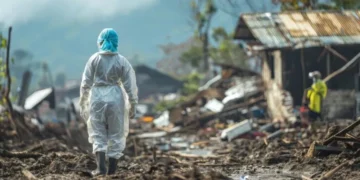
How Global Health Agencies Prepare for Cross-Border Disease Outbreaks
Cross-border disease outbreaks can escalate quickly, so global health agencies focus on early detection, shared information, and coordinated action. By strengthening surveillance, testing, and public health communication, they help countries respond faster and contain threats before they spread further.
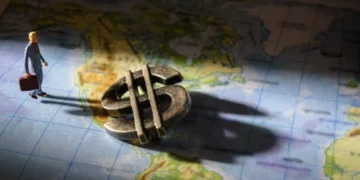
Why Developing Countries Are Facing Growing Debt Pressure
Developing countries are facing growing debt pressure as higher interest rates, a stronger U.S. dollar, and slow economic growth make borrowing more expensive and harder to repay. From public services to long-term investment, the effects can ripple through nearly every part of daily life.

Global Semiconductor Race and Its Impact on Technology Supply Chains
The global semiconductor race is reshaping how technology gets designed, built, and delivered, with ripple effects that touch everything from smartphones to factory floors. As countries and companies compete for chip dominance, supply chains are being pushed to become faster, more resilient, and far less dependent on a few critical bottlenecks.

How the Russia-Ukraine War Is Reshaping European Security
The Russia-Ukraine war has forced Europe to confront a new era of hard security, reshaping defense priorities, NATO strategy, and public expectations across the continent. As governments respond, European security is becoming less about assumptions of peace and more about readiness, resilience, and deterrence.
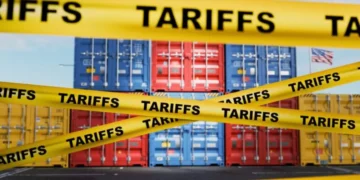
New U.S. Tariffs: Impact on Global Trade and Consumers
New US tariffs can do more than raise import costs — they can reshape supply chains, nudge up consumer prices, and alter how companies source goods around the world. Here’s what they mean for global trade, everyday purchases, and the businesses caught in the middle.

2026 Global Critical Minerals Outlook: Supply, Demand, and Security Risks
The global critical minerals outlook for 2026 points to rising demand, tighter supply chains, and growing security risks as countries compete for lithium, nickel, copper, rare earths, and other essential materials. Understanding where bottlenecks and geopolitical pressures are building will be key to protecting industries, lowering costs, and strengthening resilience.
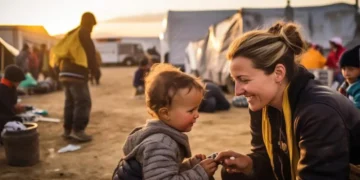
UNHCR Global Trends Report 2026: Latest Refugee Data Insights
The UNHCR Global Trends Report shows how displacement is changing worldwide, offering a clear look at refugee numbers, asylum trends, and the pressures facing people forced to flee. It also helps explain why long-term protection and durable solutions remain so urgent.

International Tourism in 2026: Global Arrivals Rise Despite Uncertainty
International tourism in 2026 is rising even as travelers face higher costs, shifting rules, and global uncertainty. From family visits to long-haul vacations, demand remains strong as people become more selective about where they go and how they plan their trips.
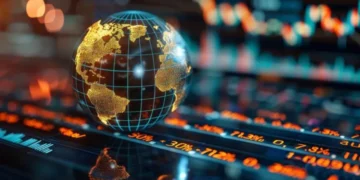
2026 Global Economic Outlook: Growth, Inflation, and Major Risks
The 2026 global economic outlook points to a cautious recovery, with growth expected to stay uneven as inflation cools and central banks navigate a delicate balance. Even so, lingering risks—from trade tensions to geopolitical shocks—mean the path ahead may be steadier, but far from simple.
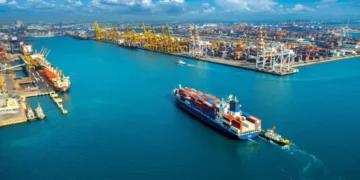
2026 Global Trade Outlook: Why International Trade Is Expected to Slow
The 2026 global trade outlook points to a slower pace for international commerce as weaker demand, higher borrowing costs, and geopolitical tensions reshape cross-border business. While trade is far from collapsing, companies should expect a more cautious environment and plan accordingly.